Scan, order, eat. The menu shouldn't be the bottleneck.
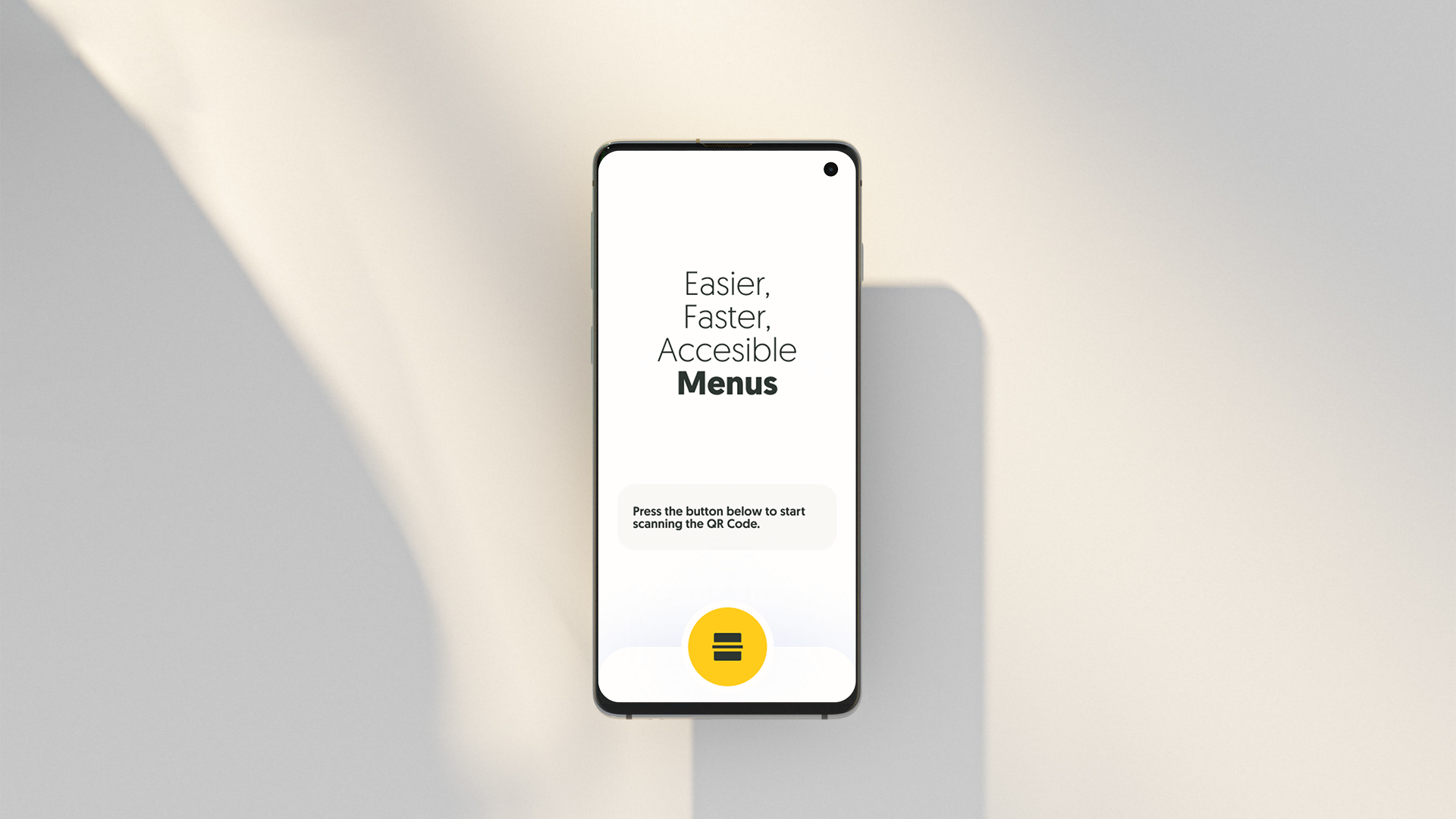
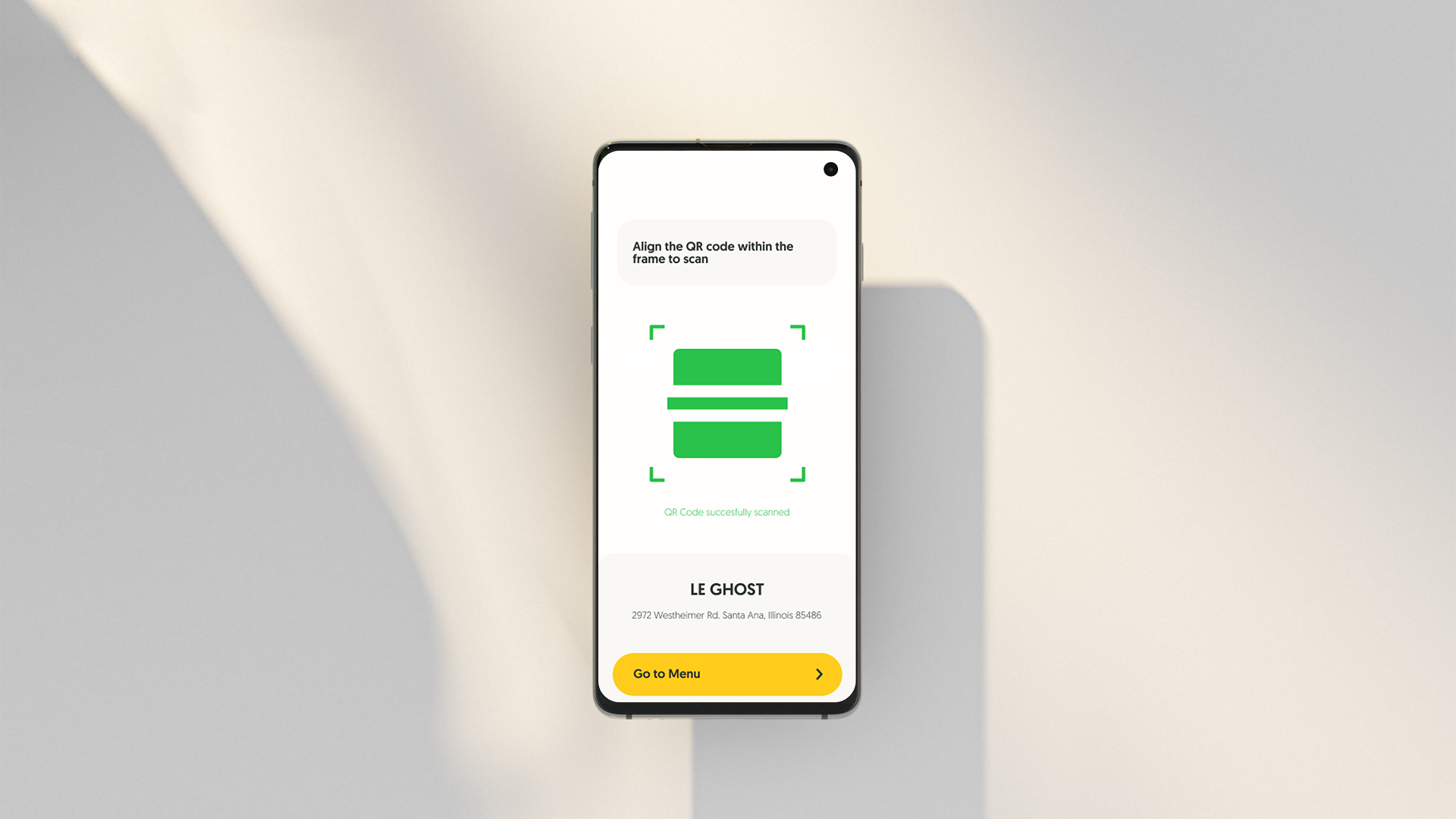
Pinch is a digital ordering solution for restaurants, coffee shops and food-service businesses. Customers scan a QR code at the table to browse the menu and order from their phones; owners receive and manage those orders through a management platform. I led development end to end as Product Manager.
The customer side
The bar for a QR menu is brutal: it competes with just waving at a waiter. Browsing had to be instant, photos had to sell the dish, and ordering had to take fewer taps than explaining a substitution out loud.
The owner side
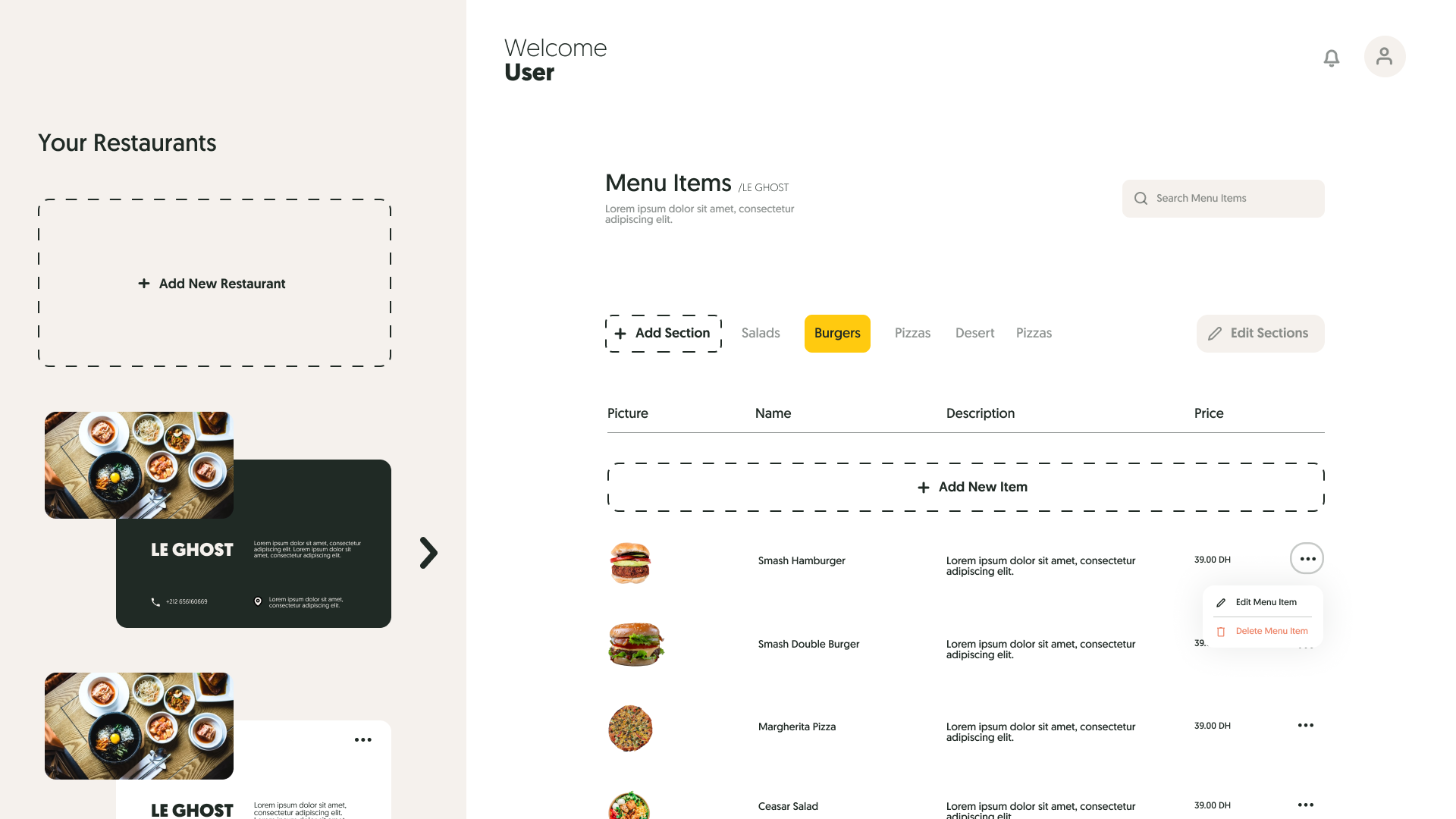
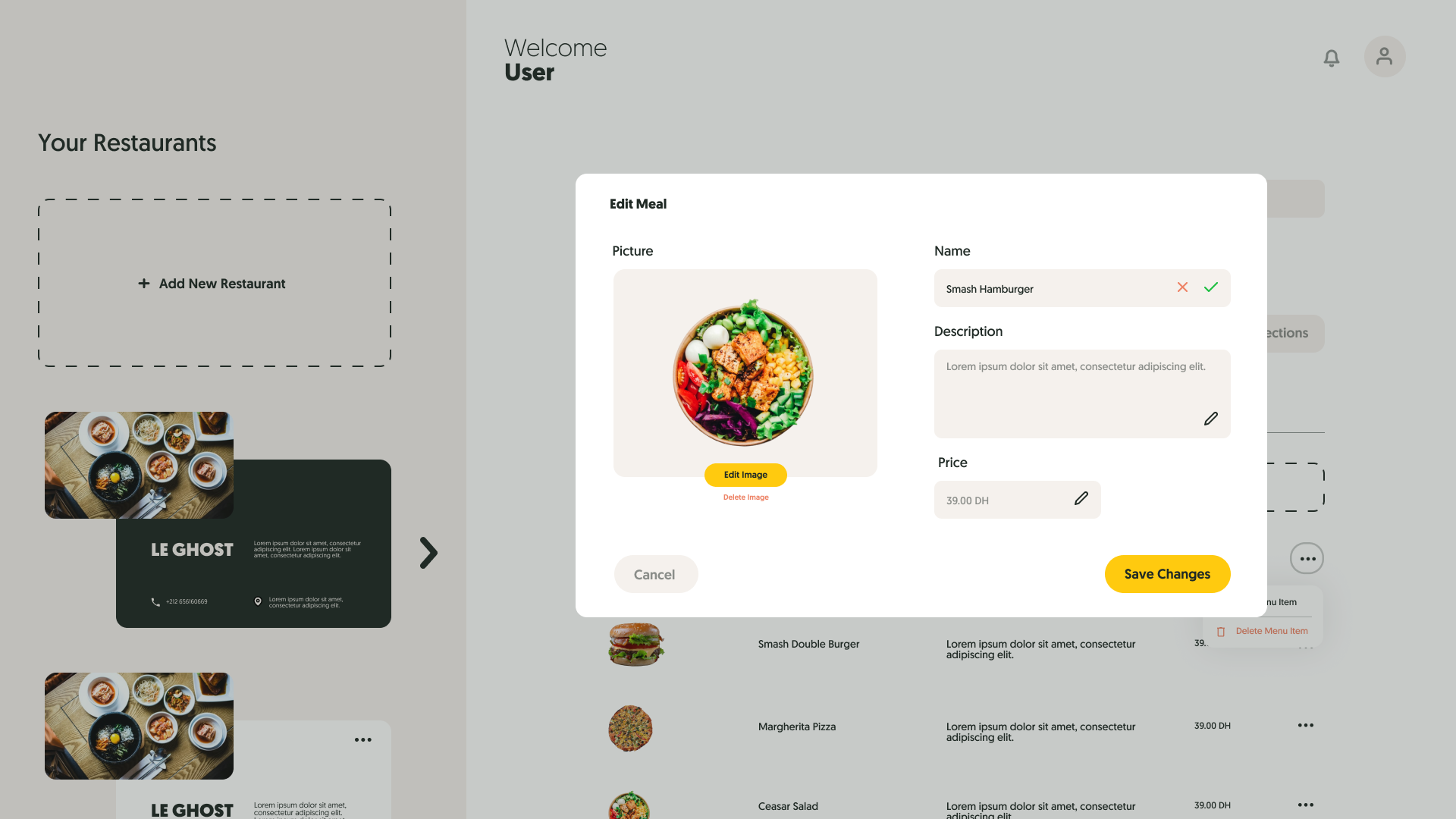
Orders are only half the product. The management platform lets owners update menus, edit meals and track orders in real time — because a digital menu that requires a developer to change the soup of the day is worse than a chalkboard.
Shipping it
I ran the full loop: requirements definition, UX research with food-service teams, feature prioritization, backlog management, collaboration with designers — and QA oversight, because in a restaurant, "mostly works" means a wrong order on a real table.
Good service is invisible. The best compliment this product can get is nobody noticing it.
Pinch, the short version.
- What — QR-code menus and ordering for restaurants and coffee shops; customers order from their phones, owners manage everything from a dashboard.
- Role — Product Manager, end to end: requirements, UX research, prioritization, backlog, designer collaboration, QA oversight.
- Standard — flawless at launch; in food service there's no patience for a buggy order flow.
Good service is invisible.