Three million installs started with a niche nobody bothered to serve.
This is the story of how I built, launched and grew a portfolio of Android wallpaper apps — solo, from idea to millions of downloads. Product, design, development and growth, every step.
Context
As an Android user, I kept noticing the same thing: many apps on the Play Store offered outdated, limited choices and simply weren't keeping up with the trends people actually cared about. So in 2017 I started this journey building entertainment apps of my own.
The market
The wallpaper category is crowded, but most of the incumbents are stale — a limited catalog of old pictures and no live wallpaper options at all. Competing head-on against apps with marketing budgets made no sense, so I went with a blue ocean strategy: chase new trends in medium-to-low-competition keywords, where the opportunities sit untapped. Identify the niche, serve it properly, and the apps position themselves.
The audience
Who actually uses wallpaper apps? Two main groups: people who want a fresh background for their device, and people collecting pictures of a specific interest — to share on social media, send to friends, or simply because they're fans of the thing. Understanding both shaped everything downstream.

User personas
Sarah15 · high-school student · the teenage slime fanatic+
Sarah, from suburban America, is deeply passionate about slime — she spends her free time watching DIY slime tutorials on YouTube and experimenting with recipes. She wants vibrant, unique slime wallpapers that reflect her love for it and spark her creativity.
James34 · software engineer · the after-work unwinder+
James, a software engineer from San Francisco, looks for ways to relax after a high-stress day. He prefers minimalist, calming wallpapers with smooth animations, values a simple interface and low battery consumption, and has no patience for complex apps or low-quality visuals.
Same app category, two completely different users — which is exactly why each niche got its own focused app instead of one bloated catalog.
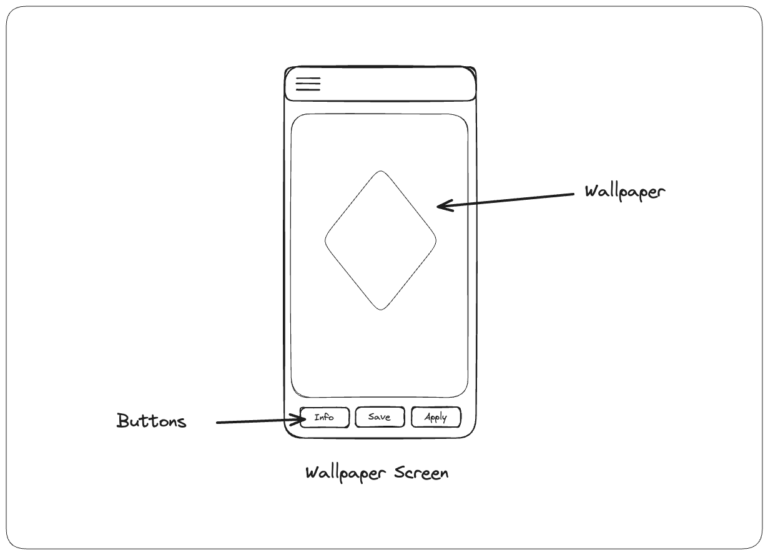
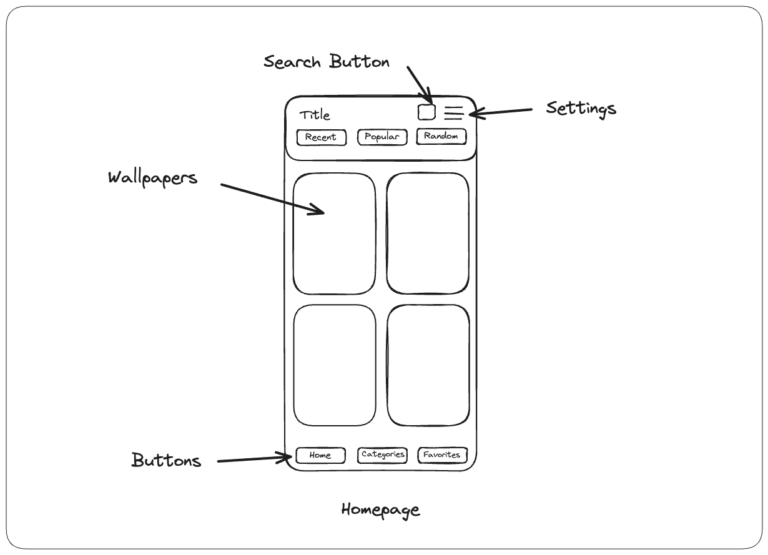
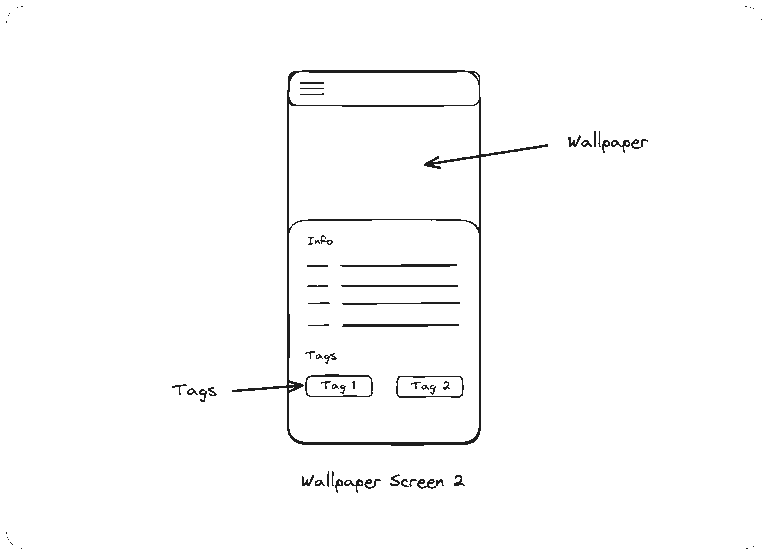
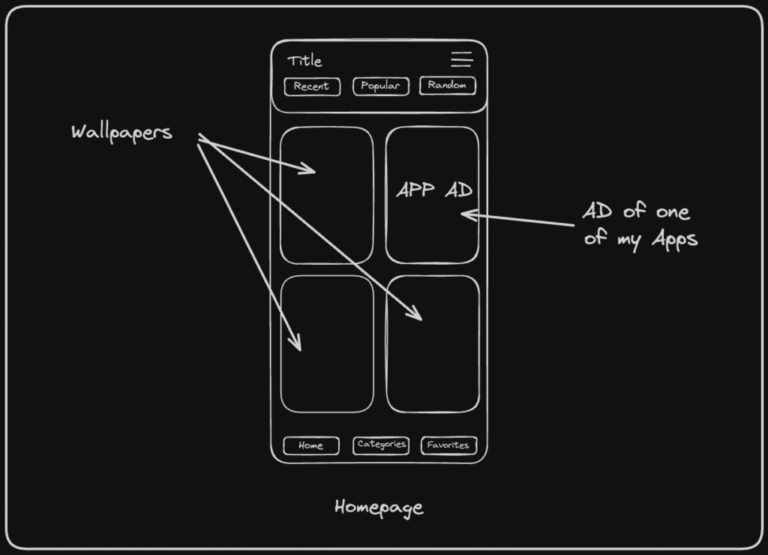
Wireframes
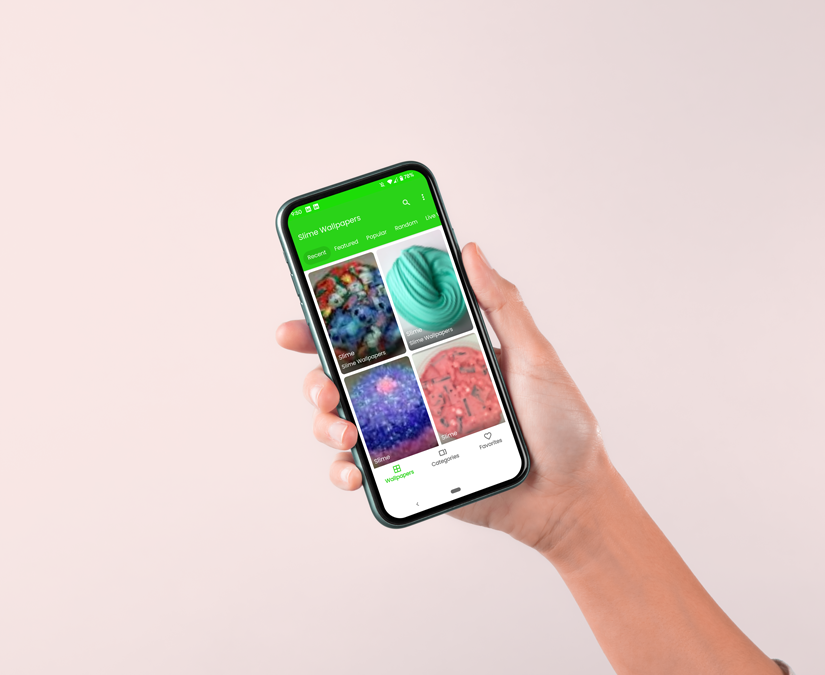
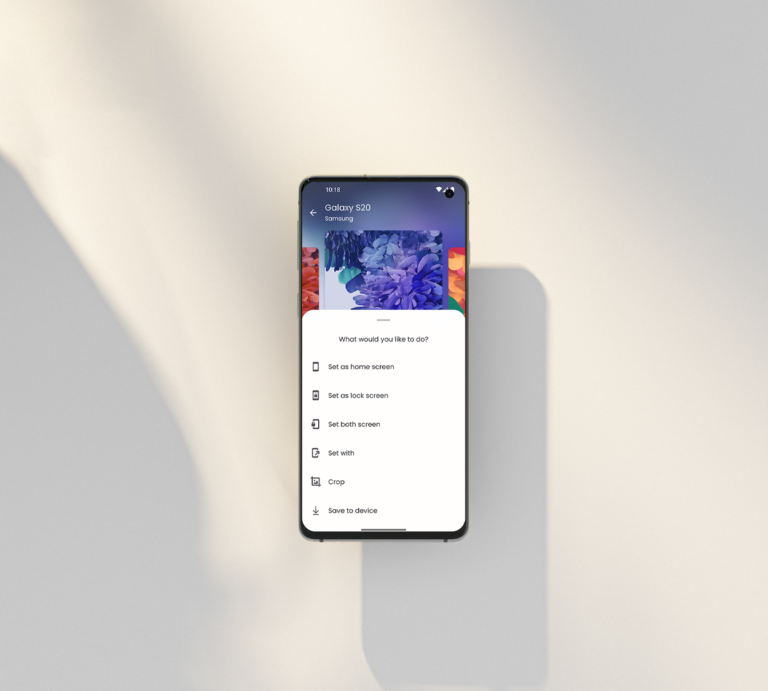
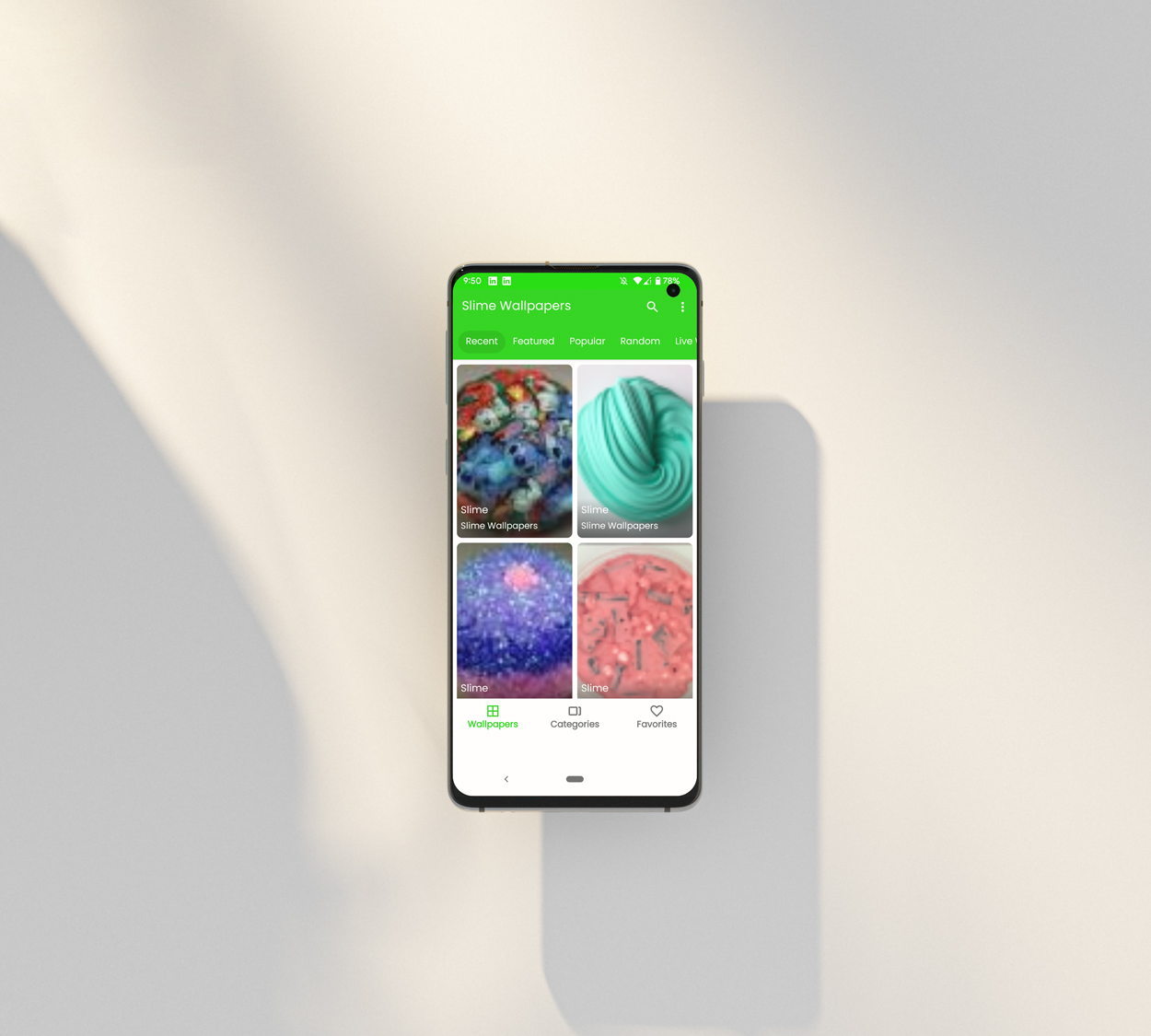
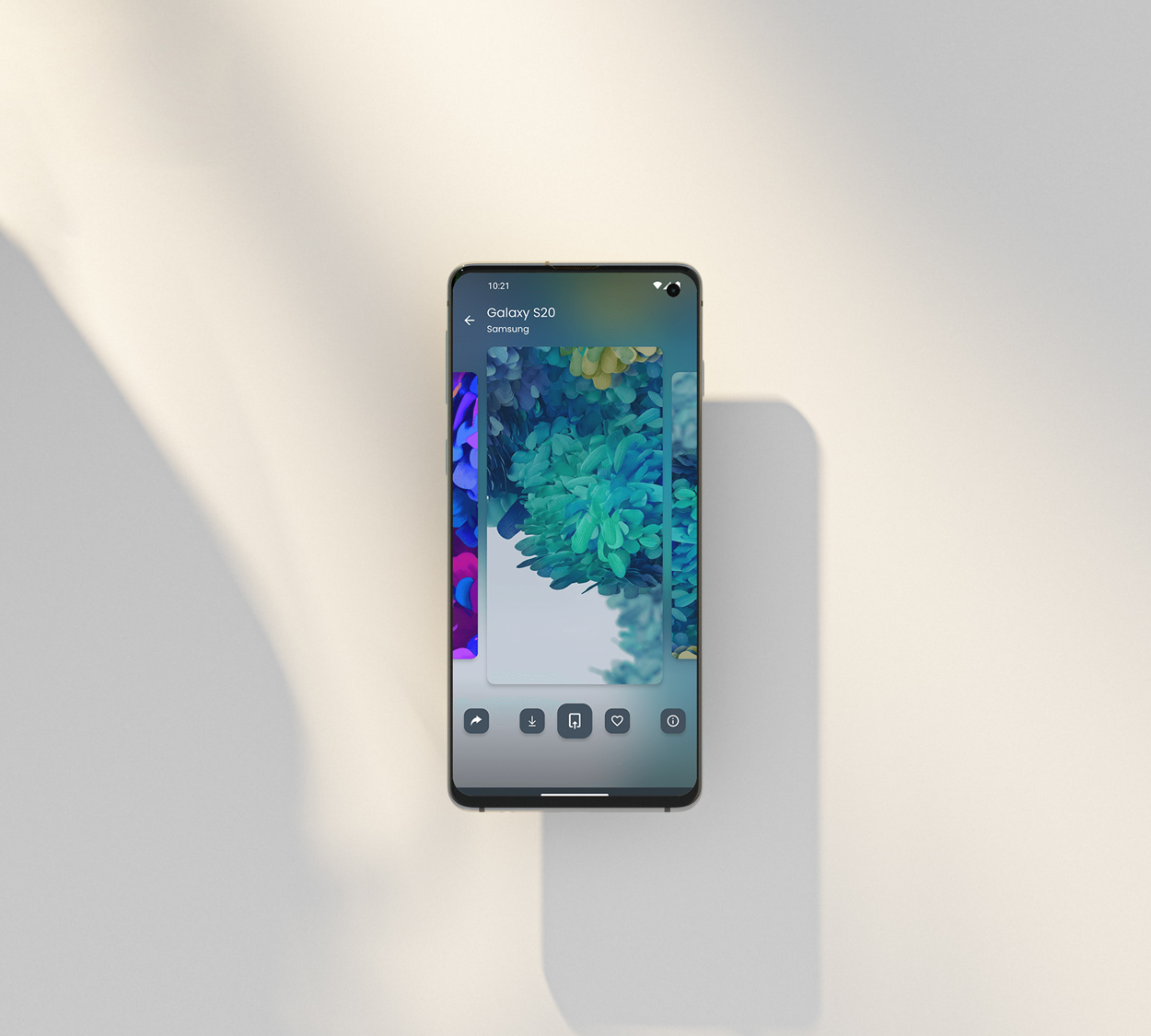
The final product
How did we grow?
Phase 1 — paid reach and ASO. To get the ball rolling I ran paid ads on Facebook and Google Ads targeting audiences worldwide, keeping the cost per install cheap. In parallel came app store optimization: researching keywords with low competition but healthy monthly searches, and A/B testing titles, visuals and descriptions to push the listing's click-through and conversion rates up.
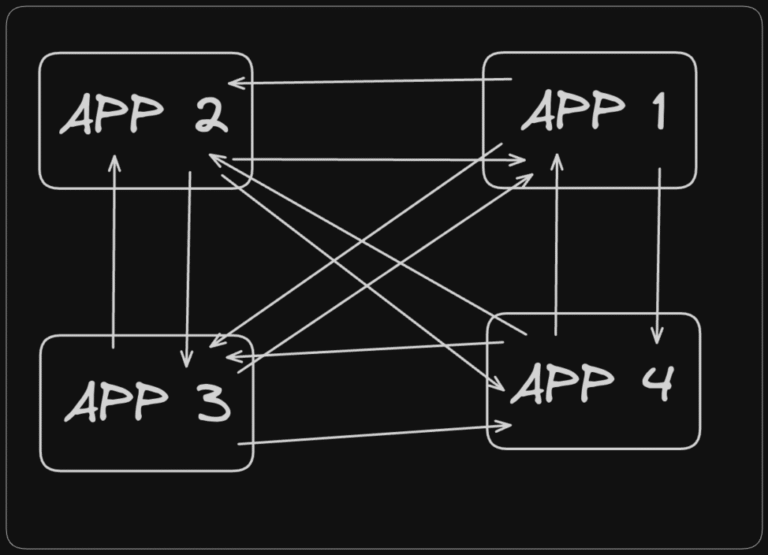
Phase 2 — the cross-promotion network. The second engine was a network of apps in similar niches with overlapping audiences, promoting each other. This cooperative advertising system proved highly successful — every app in the portfolio fed installs to the others.
Results
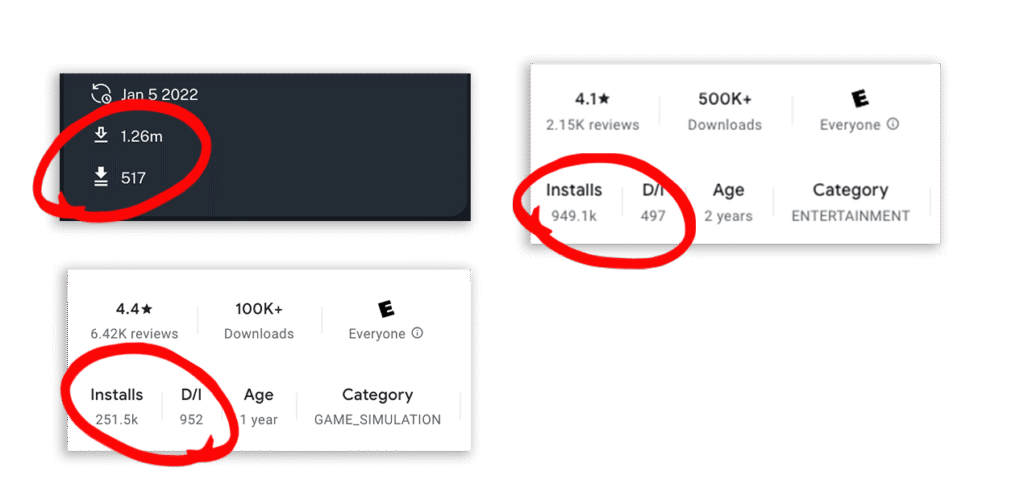
Installs — more than 3 million installs across various apps, accounts and categories.
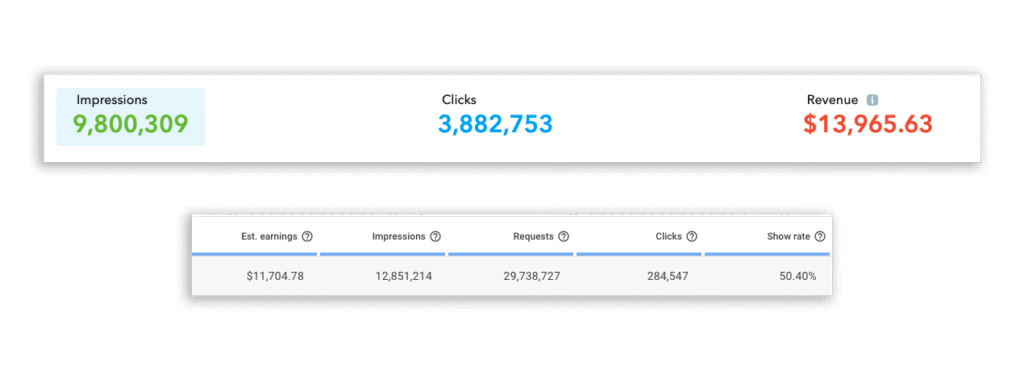
Revenue — over $30,000 across multiple revenue channels: ads, subscriptions, paywall and more.
Reviews — thousands of happy and satisfied users.
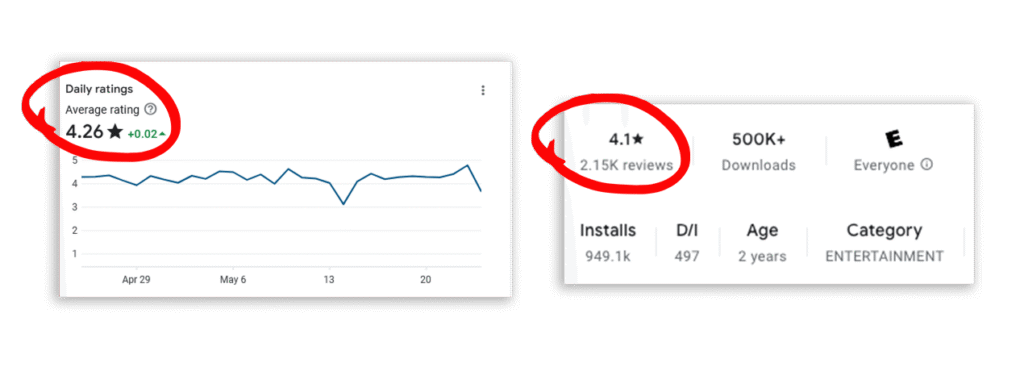
Nobody funded it, nobody assigned it. It's still the best product education I ever paid nothing for.
Mobile apps, the short version.
- What — a portfolio of Android wallpaper apps, built solo starting in 2017.
- Strategy — blue ocean: new trends in low-competition keywords, where incumbents were outdated and offered no live wallpapers.
- Audience — background-changers and interest-collectors; personas from a 15-year-old slime fanatic to a 34-year-old engineer who wants calm and low battery drain — one focused app per niche.
- Growth — Phase 1: cheap-CPI Facebook/Google ads plus ASO with A/B-tested listings; Phase 2: a cross-promotion network of apps feeding each other installs.
- Results — 3M+ installs, $30K+ revenue across ads, subscriptions and paywall, and thousands of happy users.
The best product education I ever paid nothing for.